Why Woodworking Projects Are a Rewarding Hobby
Woodworking is more than just a pastime; it’s a craft that allows you to create functional and artistic pieces from raw lumber. Whether you’re a beginner looking for a new hobby or a seasoned pro aiming to refine your skills, woodworking projects offer endless opportunities for creativity and personal satisfaction. The tactile experience of shaping wood, the smell of fresh sawdust, and the pride of completing a handmade item are unmatched. Moreover, woodworking can be a sustainable practice—by repurposing old wood or using locally sourced materials, you contribute to a greener planet. This article will guide you through a range of projects, from simple builds to advanced creations, helping you find the perfect project for your skill level. Let’s dive into the world of saws, chisels, and sandpaper.
Essential Tools and Materials for Beginners
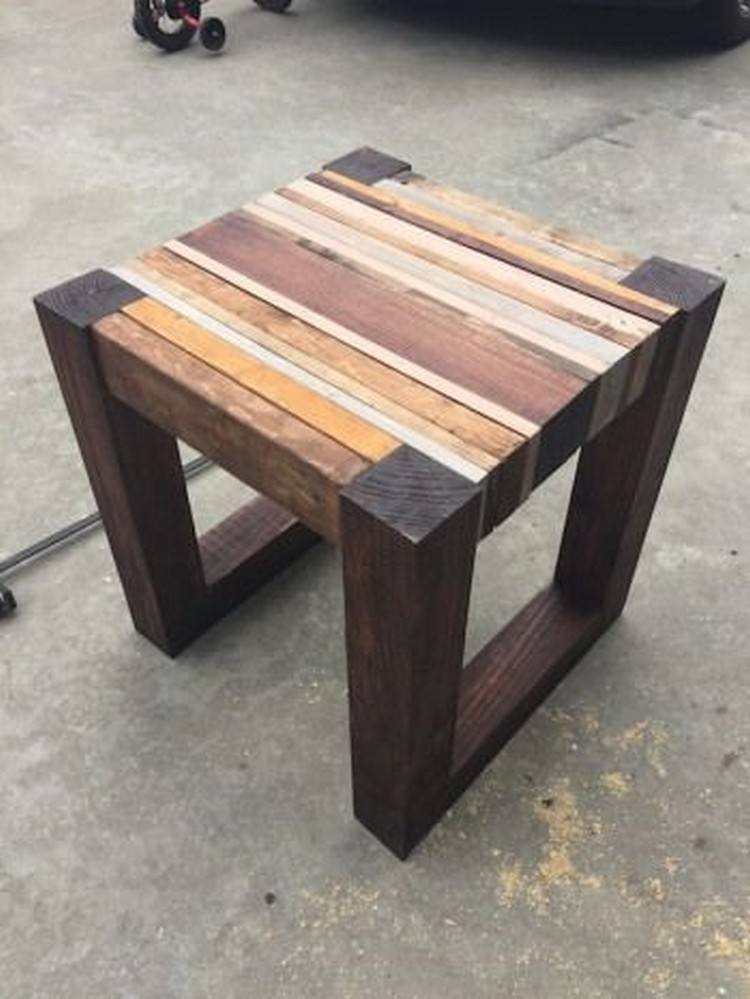
Before starting any woodworking project, it’s crucial to have the right tools. For beginners, a basic toolkit should include a tape measure, a hammer, a set of screwdrivers, a circular saw or jigsaw, a drill, and various clamps. Safety equipment like safety glasses, ear protection, and a dust mask is non-negotiable. As for materials, start with softwoods like pine or cedar—they are affordable and easy to work with. Hardwoods like oak or maple are better for advanced projects but can be more challenging. You’ll also need wood glue, sandpaper in various grits, and finishing supplies such as stain, polyurethane, or paint. Investing in quality tools upfront will save you time and frustration, but you don’t need to go broke; many excellent starter sets are available under $200. Once you have your basic setup, you can tackle nearly any beginner project.
Easy Woodworking Projects for Beginners
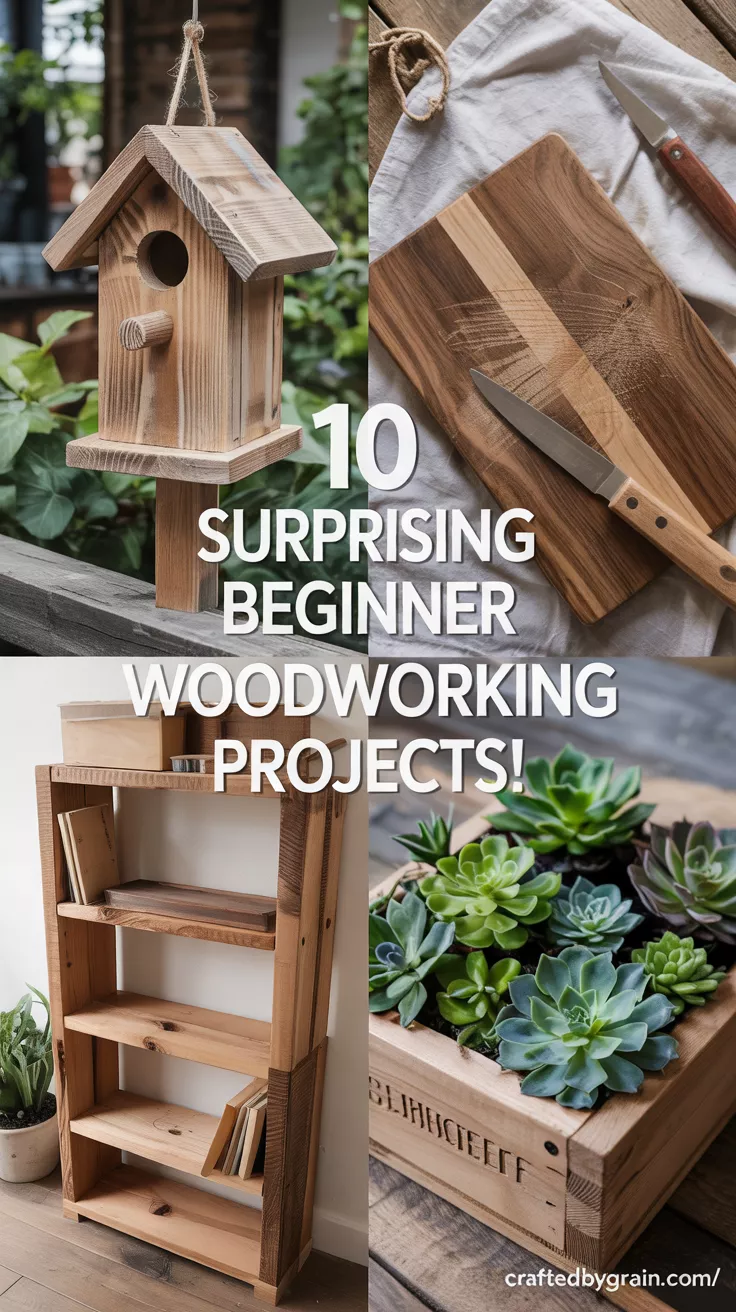
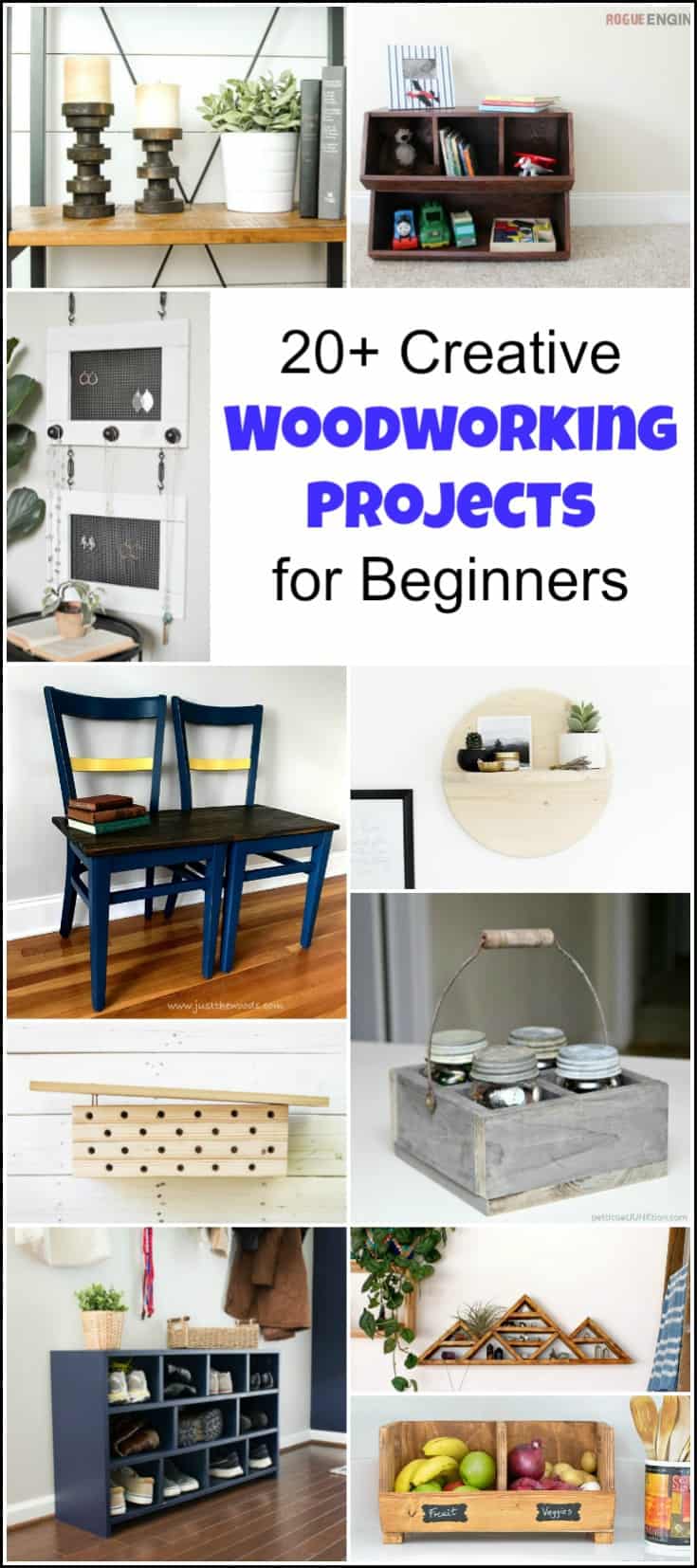
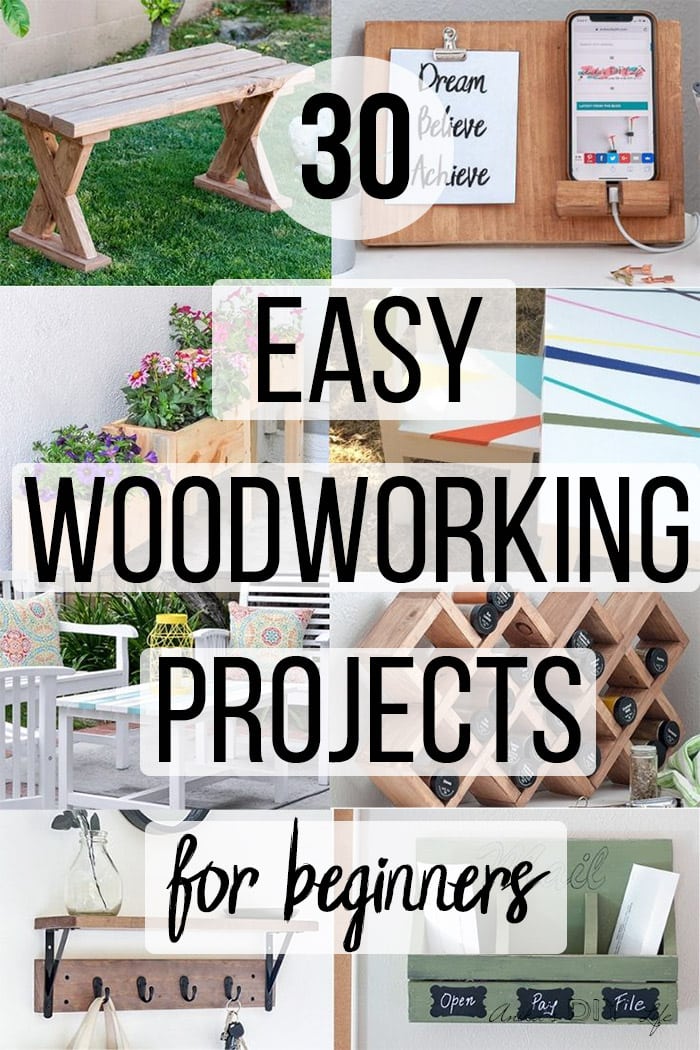
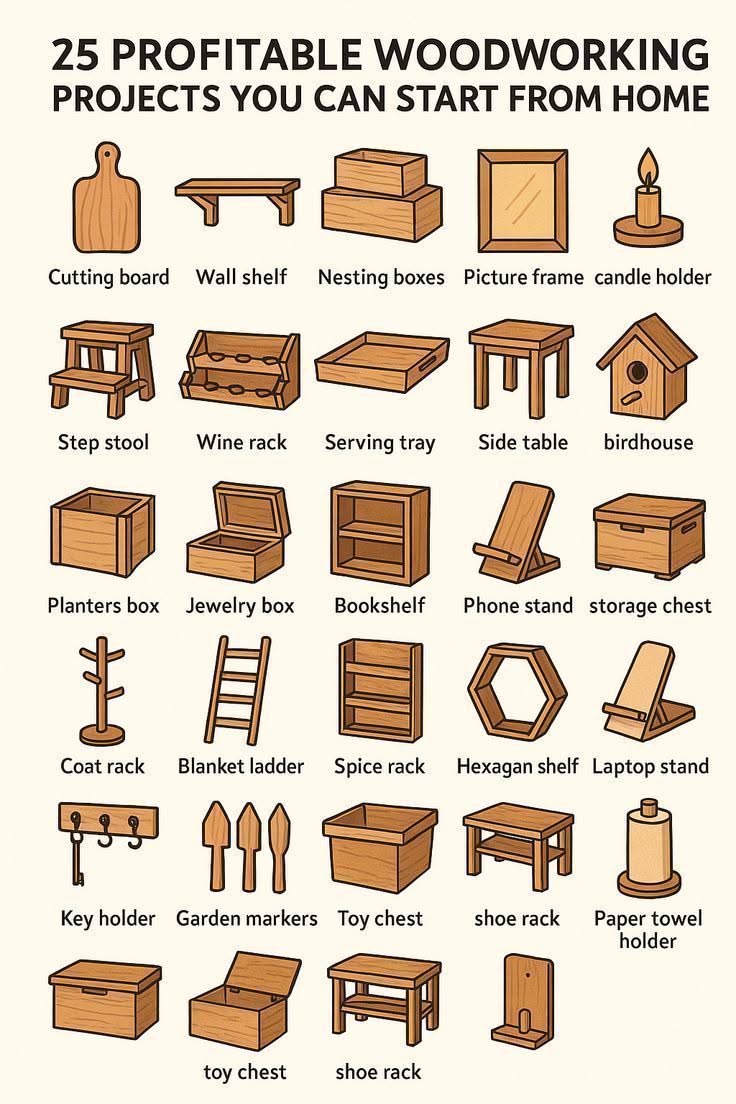
If you’re new to woodworking, start with simple projects that build confidence. A classic beginner project is a wooden planter box. It requires just a few cuts and basic assembly, and the result is a charming addition to any porch. Another great option is a wall-mounted shelf. Cut a wooden board to size, sand the edges, attach brackets, and you have instant storage. A simple cutting board is also ideal—glue together strips of hardwood, clamp them, and shape the final form. Other easy projects include a birdhouse, a picture frame, or a shoe rack. These projects teach essential skills like measuring, cutting, drilling, and sanding. They also produce useful items you can be proud of. Remember, patience is key; take your time to ensure accurate cuts and smooth finishes. Soon, you’ll be ready to move on to more complex builds.
Intermediate Woodworking Projects to Challenge Your Skills
Once you’ve mastered the basics, it’s time to challenge yourself with intermediate projects. A wooden bench or a small table is a perfect next step—they require more precise joinery, such as mortise and tenon or dowel joints. A coffee table with tapered legs introduces you to angled cuts and more intricate assembly. Another popular project is a bookshelf, which demands accurate measurements and sturdy construction. If you’re interested in storage, consider building a wooden toolbox or a jewelry box with simple drawers. These projects involve creating multiple components and fitting them together, which hones your problem-solving abilities. You’ll also learn about wood movement and how to account for it in your designs. Don’t shy away from using power tools like a router or a miter saw, as they can significantly enhance your efficiency. Intermediate projects are where your woodworking skills truly expand.
Advanced Woodworking Projects for Experienced Craftsmen
For the seasoned woodworker, advanced projects offer the ultimate test of skill. A dining table with curved legs and inlaid patterns showcases your ability to handle complex curves and detailed work. A rocking chair requires precise steam bending or scroll saw work, combined with strong joinery. Another impressive project is a wooden canoe or a small boat—a labor-intensive build that demands knowledge of boatbuilding techniques. If you prefer smaller items, consider an intricate marquetry box or a segmented woodturning piece, like a vase or bowl. These projects often involve exotic hardwoods and advanced finishing methods like French polishing. Advanced woodworking is about attention to detail and pushing the boundaries of design. You’ll need specialized tools like a band saw, a jointer, or a lathe. The final piece will be a masterpiece that reflects years of practice and dedication.
How to Choose the Right Wood for Your Project
Selecting the right wood species is critical to the success of your project. Softwoods like pine, fir, and spruce are budget-friendly and easy to work with, making them ideal for beginners and projects that will be painted. Hardwoods like oak, cherry, and walnut are denser and more durable, perfect for furniture that will see heavy use. They also offer beautiful grain patterns that enhance natural finishes. For outdoor projects, choose rot-resistant woods like cedar, redwood, or teak. Exotic woods like mahogany or zebrawood are expensive but prized for their unique appearance. Consider the wood’s hardness, grain, and stability. For example, maple is very hard and difficult to carve but takes stain well. Always buy slightly more than you need to account for waste and mistakes. Store wood flat and dry to prevent warping. Your choice of wood will affect every step from cutting to finishing.
Tips for Finishing and Staining Your Woodworking Projects
The finishing stage transforms a raw piece into a polished item. Start by sanding with progressively finer grits (80 to 220) to create a smooth surface. Remove all dust before applying any finish. For a natural look, use a clear coat like polyurethane, which protects the wood without changing its color. Stain is applied before the clear coat and comes in oil-based or water-based varieties. Test the stain on a scrap piece first to see the final color. For a glossy finish, use multiple thin coats of polyurethane, sanding lightly between coats. You can also use wax or Danish oil for a satin sheen. Always work in a well-ventilated area and follow the manufacturer’s instructions. A good finish not only enhances the wood’s beauty but also protects it from moisture, scratches, and UV damage. Take your time—a rushed finish can ruin an otherwise perfect project.
FAQ
1. What is the easiest woodworking project for a complete beginner?
A wooden planter box or a simple wall shelf is great for beginners because they require minimal cuts and basic tools.
2. How much does it cost to start woodworking?
You can start with around $200-$300 for essential tools and materials, and spend more as you progress.
3. What type of wood should a beginner use?
Pine is the best choice due to its low cost, softness, and availability.
4. Do I need a lot of space for woodworking?
A small garage or shed works well; many projects can be done on a workbench or even outside.
5. How do I prevent wood from splitting when nailing?
Pre-drill holes slightly smaller than your nail or screw to avoid splitting, especially near edges.
6. What safety gear is essential for woodworking?
Safety glasses, hearing protection, and a dust mask are mandatory; a push stick for table saws is also recommended.
