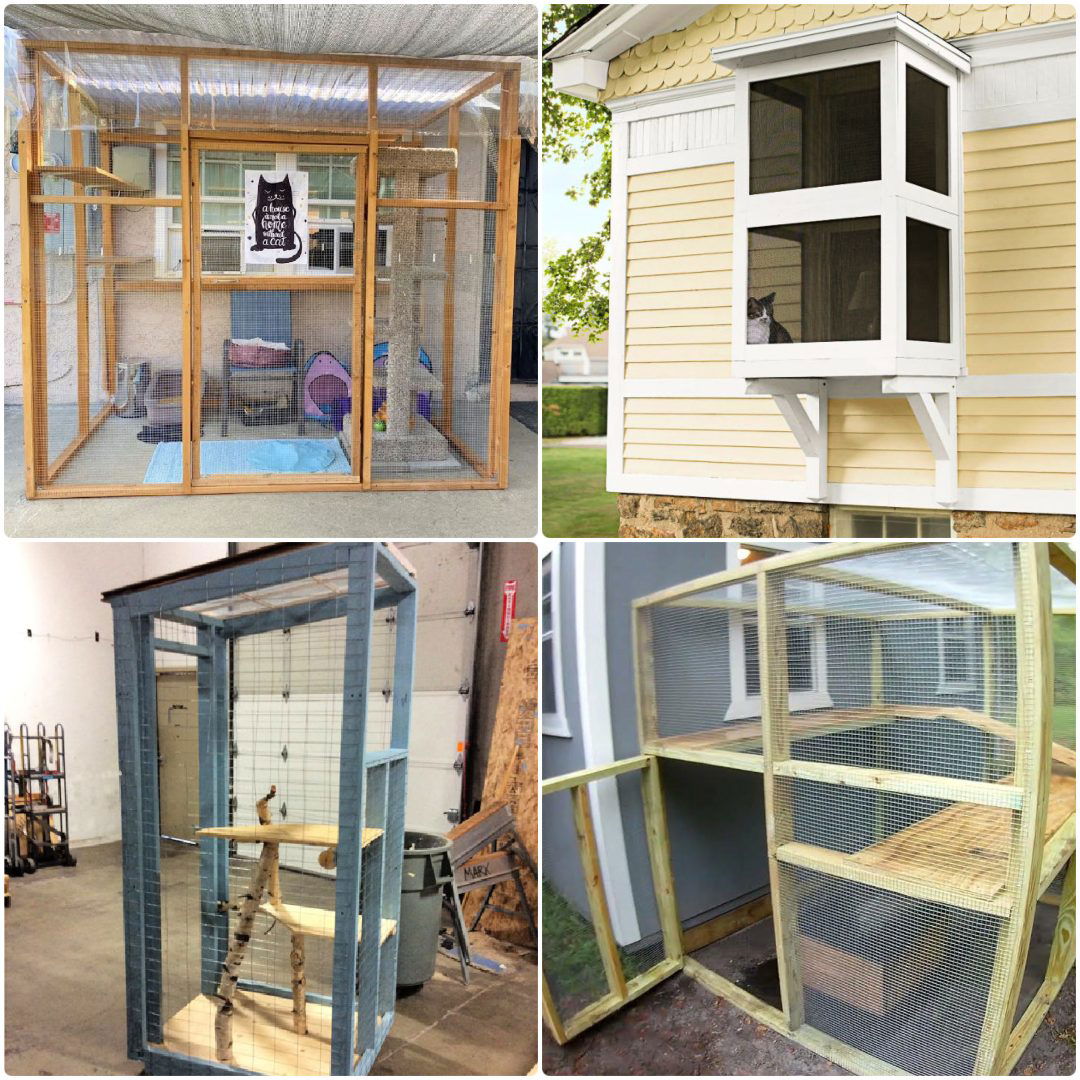
If you have a cat that loves watching birds and squirrels through the window, you’ve probably considered giving them a taste of the outdoors without the risks. A catio—a cat patio—is the perfect solution. It’s an enclosed outdoor space where your feline can enjoy fresh air, sunshine, and stimulation, all while staying safe from traffic, predators, and diseases. Building your own catio might sound daunting, but with the right DIY catio plans, you can create a customized enclosure that fits your home, budget, and cat’s personality. Whether you live in an apartment or a house with a yard, these plans will help you get started on a fun and rewarding project.
Why Build a Catio?
Cats are natural explorers, but allowing them to roam freely outdoors can shorten their lifespan significantly. Outdoor cats face dangers like cars, dogs, poisons, and fights with other animals. They also risk contracting diseases such as feline leukemia or FIV. A catio eliminates these hazards while providing all the sensory enrichment your cat craves. Indoor-only cats can become bored or overweight; a catio gives them exercise and mental stimulation. Plus, you’ll enjoy peace of mind knowing your cat is safe. Building your own catio also saves money compared to buying a pre-made structure, and you can tailor it to your available space—whether it’s a small balcony or a large backyard.
Types of Catio Designs
Before you pick up a hammer, decide which catio style suits your home. The most common types include:
- Window box catio: A small enclosure attached to a window, ideal for apartments or tight spaces. It typically extends a few feet from the window and offers a perch for sunbathing.
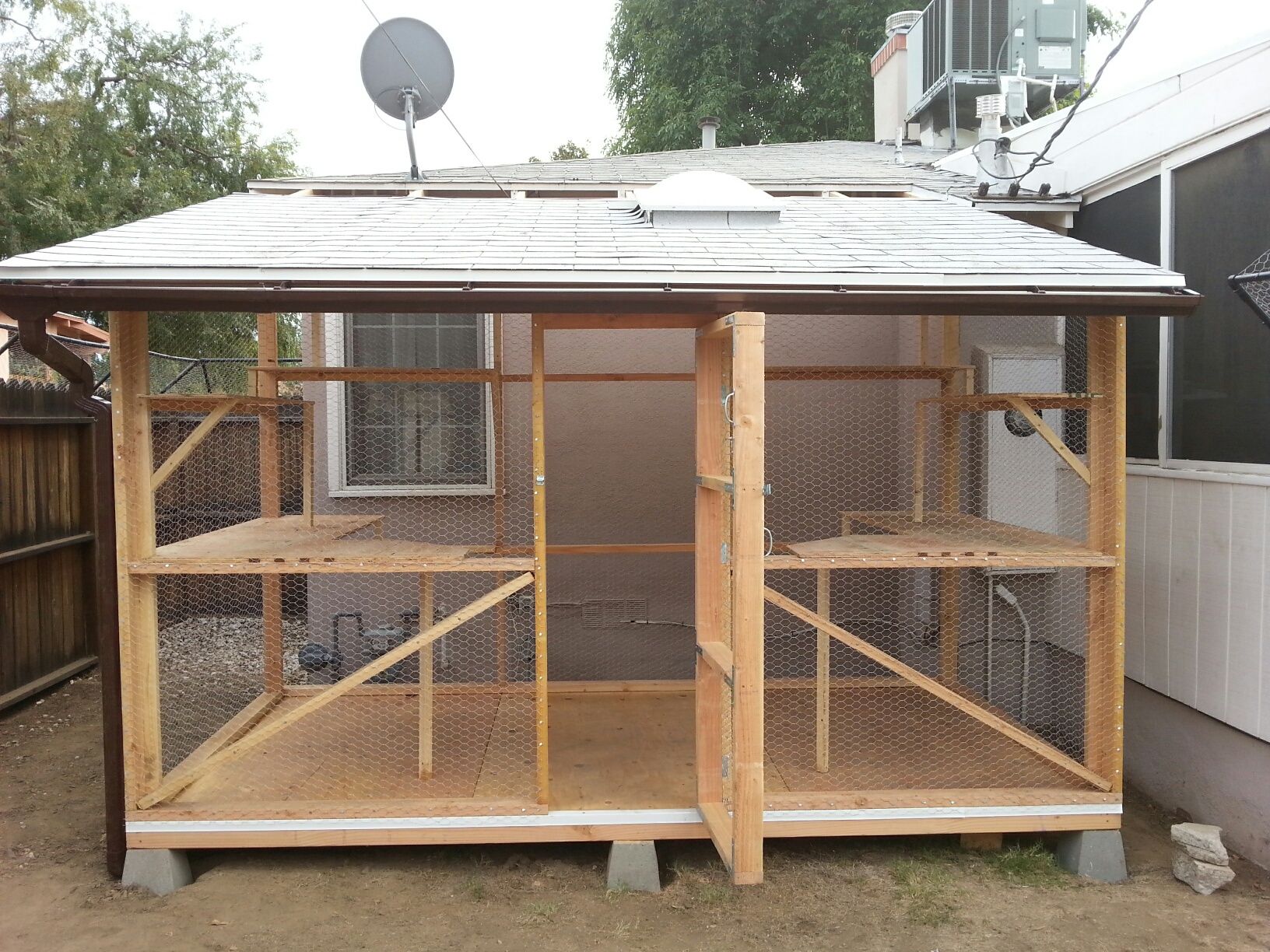
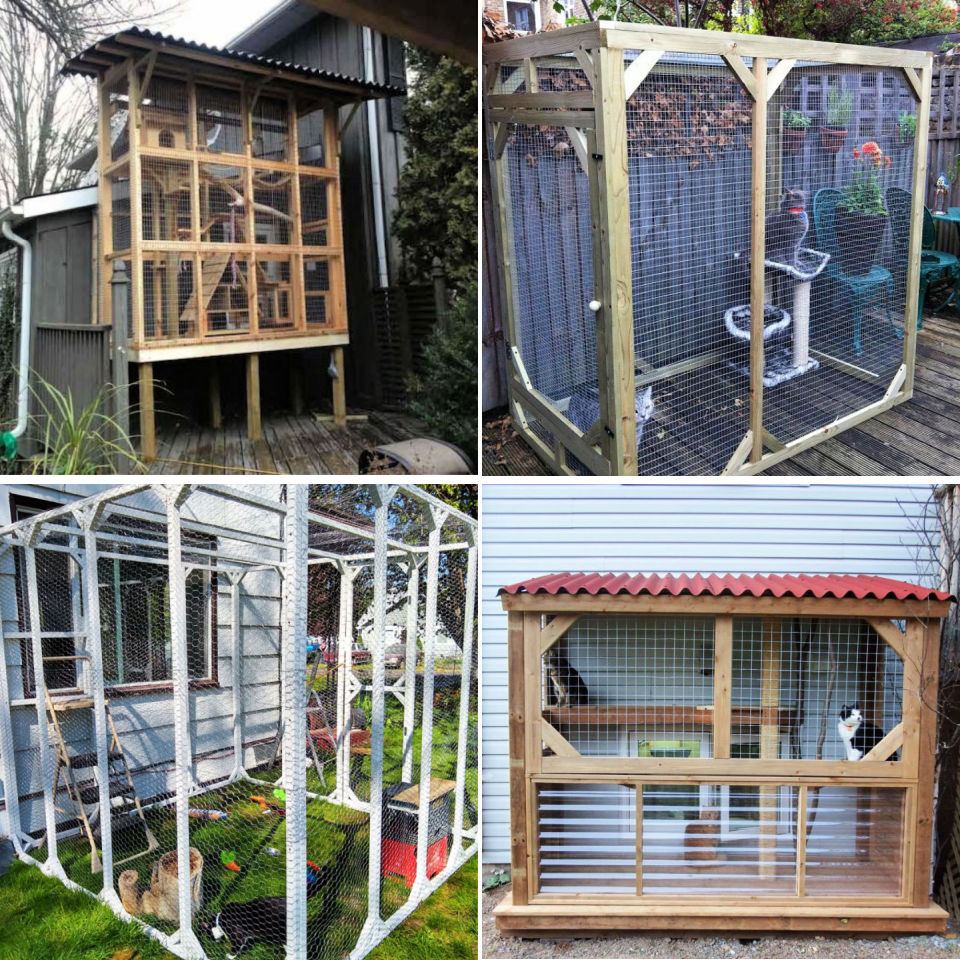
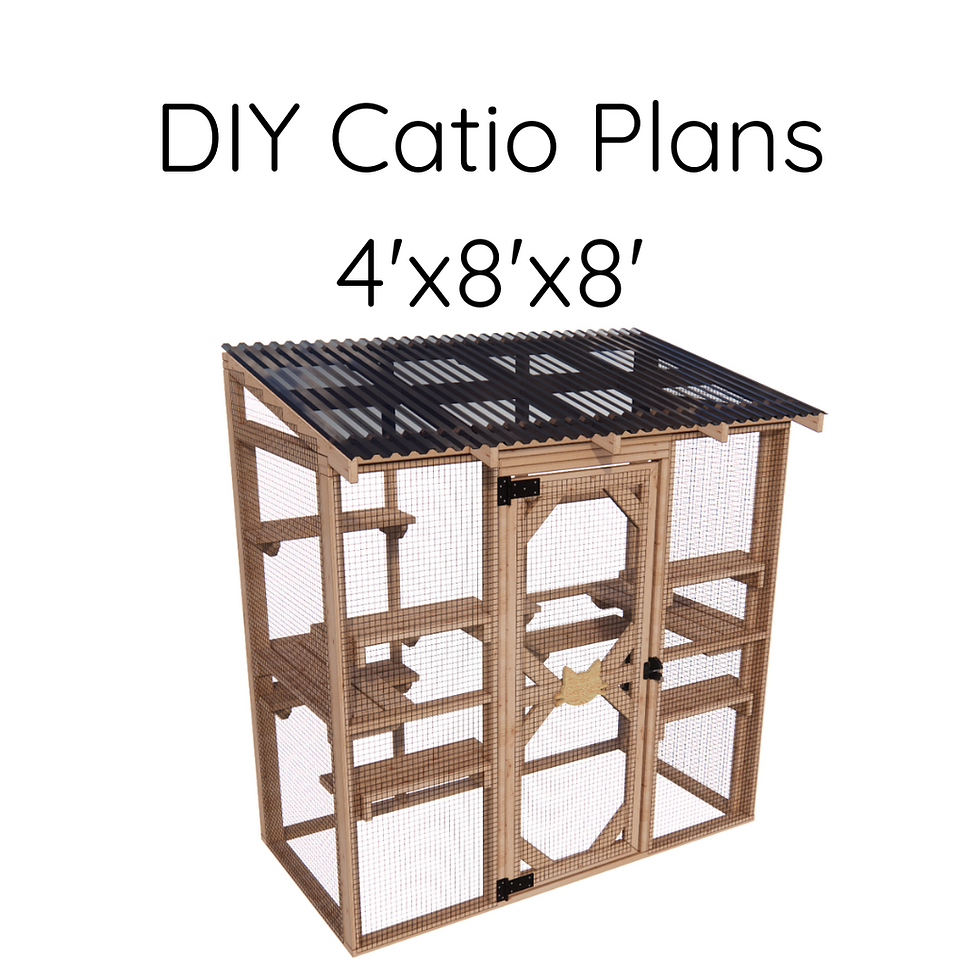
- Freestanding catio: A larger structure placed in the yard, often with multiple levels, shelves, and tunnels. It can accommodate several cats and includes access via a door or tunnel from the house.
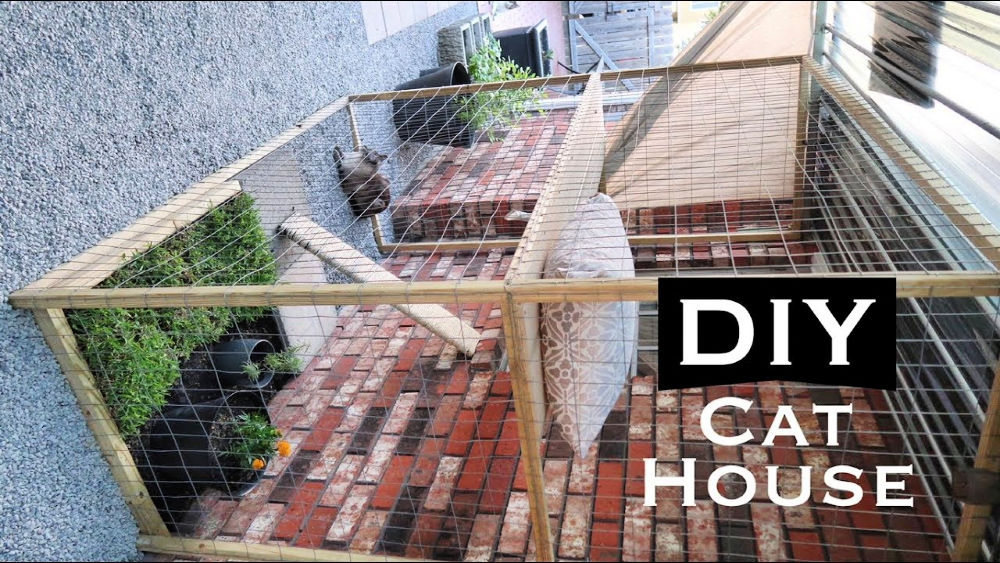
- Balcony catio: Encloses an existing balcony with mesh or wire, turning it into a safe outdoor room. Great for high-rise residents.
- Cat run: A long, narrow enclosed pathway that connects the house to a larger pen or allows cats to roam along a fence line.
Your choice depends on your space, budget, and how much time you want to invest. Window box catios are quick and cheap, while freestanding catios offer more room for climbing and exploring.
Essential Materials and Tools for a DIY Catio
Most DIY catio plans use common lumber and hardware. Here’s a basic list to get you started:
- Pressure-treated wood (2x4s for frame, plywood for platforms)
- Galvanized wire mesh or hardware cloth (½-inch or 1-inch openings to prevent escapes)
- Staples, screws, nails, and corner brackets
- Wood stain or outdoor paint for weather protection
- Hinges and latch for a door (if needed)
- Tools: saw, drill, tape measure, staple gun, level, and safety gear
Optional but recommended: corrugated plastic or polycarbonate panels for a roof to provide shade and rain protection. You might also add shelves, hammocks, and scratching posts inside for enrichment.
Step-by-Step DIY Catio Plans
Follow these general steps to build a simple freestanding catio. Adjust dimensions based on your space.
Step 1: Plan and Measure. Choose a location with good visibility and some sun. Sketch your catio to scale, noting dimensions. A typical 4’x4’x6’ catio works well for one or two cats.
Step 2: Build the Frame. Cut 2x4s for the base, walls, and roof. Assemble the floor frame first, then attach vertical posts at corners. Add cross braces for stability. Use screws rather than nails for a stronger hold.
Step 3: Attach Wire Mesh. Staple hardware cloth to the outside of the frame. Make sure the mesh is taut and overlaps at seams. Use fender washers under screws to prevent the mesh from pulling away. Cover all sides except the bottom (if it sits on ground) or add a floor.
Step 4: Create a Door. Cut an opening in one side for access. Frame the opening and attach a door using hinges and a latch. You can also install a cat flap to connect to your house via a tunnel.
Step 5: Add Roof and Finishing Touches. Cover the top with mesh, then add a solid roof panel for shade. Stain or paint the wood to protect against weather. Install shelves, perches, and a litter tray inside.
For a window box catio, the process is similar but smaller: you build a frame that fits your window sill, attach mesh, and secure it to the house with brackets.
Tips for Customizing Your Catio
Make the catio a paradise for your cat by adding features they love. Include multiple levels with ramps or steps for climbing. Hang toys or attach a bird feeder nearby to entertain them. Add a cozy bed or hammock for napping. Consider planting cat-safe grass or herbs like catnip inside. If your catio is on the ground, lay a gravel base or artificial turf for easy cleaning. You can also incorporate a small roof overhang to provide shade. For multi-cat households, create separate zones with hiding spots to reduce competition.
Safety Considerations
Safety should be your top priority. Use only galvanized or coated wire mesh to prevent rust and injury. Avoid chicken wire—it’s too flimsy and can be chewed through. Ensure all edges are smooth and no sharp ends protrude. Secure the catio firmly to the ground or wall to withstand wind and climbing. If you live in a hot climate, ensure plenty of ventilation and provide fresh water. Never leave your cat unattended for long periods in extreme weather. Regularly inspect the enclosure for holes or loose fasteners.
Frequently Asked Questions
How much does it cost to build a DIY catio?
Costs vary widely. A small window catio can cost $50–$100, while a large freestanding structure may run $200–$500. Using reclaimed wood and basic tools reduces expenses.
Do I need a building permit?
Check local regulations. Small catios under a certain height often don’t require permits, but it’s best to ask your city or HOA before building.
How do I connect the catio to my house?
Install a cat door on an existing window or wall, then build a tunnel (e.g., from PVC pipe or framed wire) leading to the catio. Many DIY plans include tunnel instructions.
Can I build a catio in an apartment?
Yes, a window box catio works perfectly on balconies or window ledges. Just ensure it’s securely attached and doesn’t exceed weight limits.
Building a catio is one of the best investments you can make for your cat’s happiness and safety. With these DIY catio plans, you can create a custom outdoor space that brings joy to both you and your feline friend. Start small, work carefully, and soon your cat will be basking in the sun, safely sheltered from harm.
