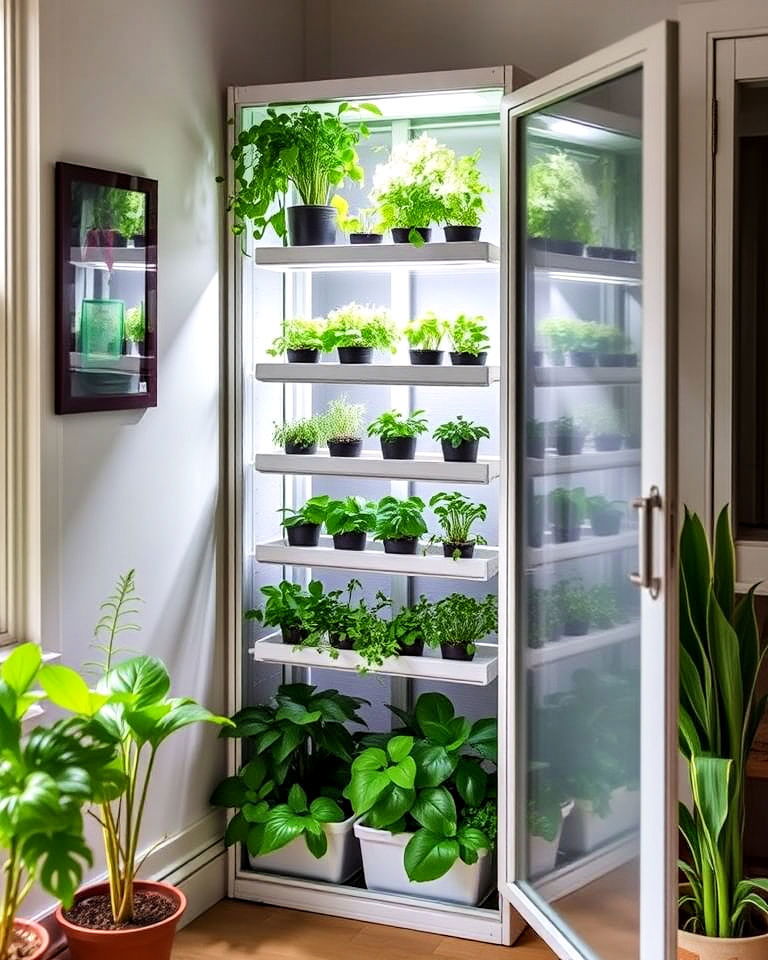
If you have a small garden or an awkward nook that seems impossible to utilize, a corner greenhouse might be the perfect solution. Instead of letting that empty corner go to waste, you can transform it into a productive and beautiful growing space. Corner greenhouses are designed to fit snugly into the angle of a fence, wall, or property line, making them ideal for compact gardens, patios, or even balconies. In this article, we’ll explore a variety of creative corner greenhouse ideas that will help you maximize every inch of your outdoor area while enjoying the benefits of year-round gardening.
1. Why Choose a Corner Greenhouse?
Corner greenhouses offer several advantages over traditional freestanding models. First, they make use of otherwise dead space, turning an unused corner into a functional area. Second, they often require less material and cost less to build or buy because they rely on existing structures like walls for support. Third, they can provide better insulation and wind protection when placed against a house or fence. Additionally, corner greenhouses can be more aesthetically pleasing, blending seamlessly into the landscape. They also tend to have a smaller footprint, which is perfect for urban gardeners or those with limited yard space. By choosing a corner design, you not only save space but also create a cozy microclimate for your plants.
2. Design Considerations for Corner Greenhouses
Before diving into specific ideas, it’s important to consider a few key design factors. First, assess the orientation of your corner. South-facing corners receive the most sunlight, which is ideal for a greenhouse. If your corner is north-facing, you may need to use supplemental lighting or choose shade-tolerant plants. Second, think about access: you’ll need a door or opening that allows you to easily tend to your plants. Third, consider ventilation: corner greenhouses can trap heat, so include windows or vents. Fourth, decide on the roof style: a slanted roof that follows the angle of the walls can maximize headroom and light. Finally, think about materials: glass, polycarbonate, or polyethylene? Each has pros and cons in terms of cost, insulation, and durability. A well-planned design ensures your corner greenhouse is both functional and long-lasting.
3. DIY Corner Greenhouse Ideas
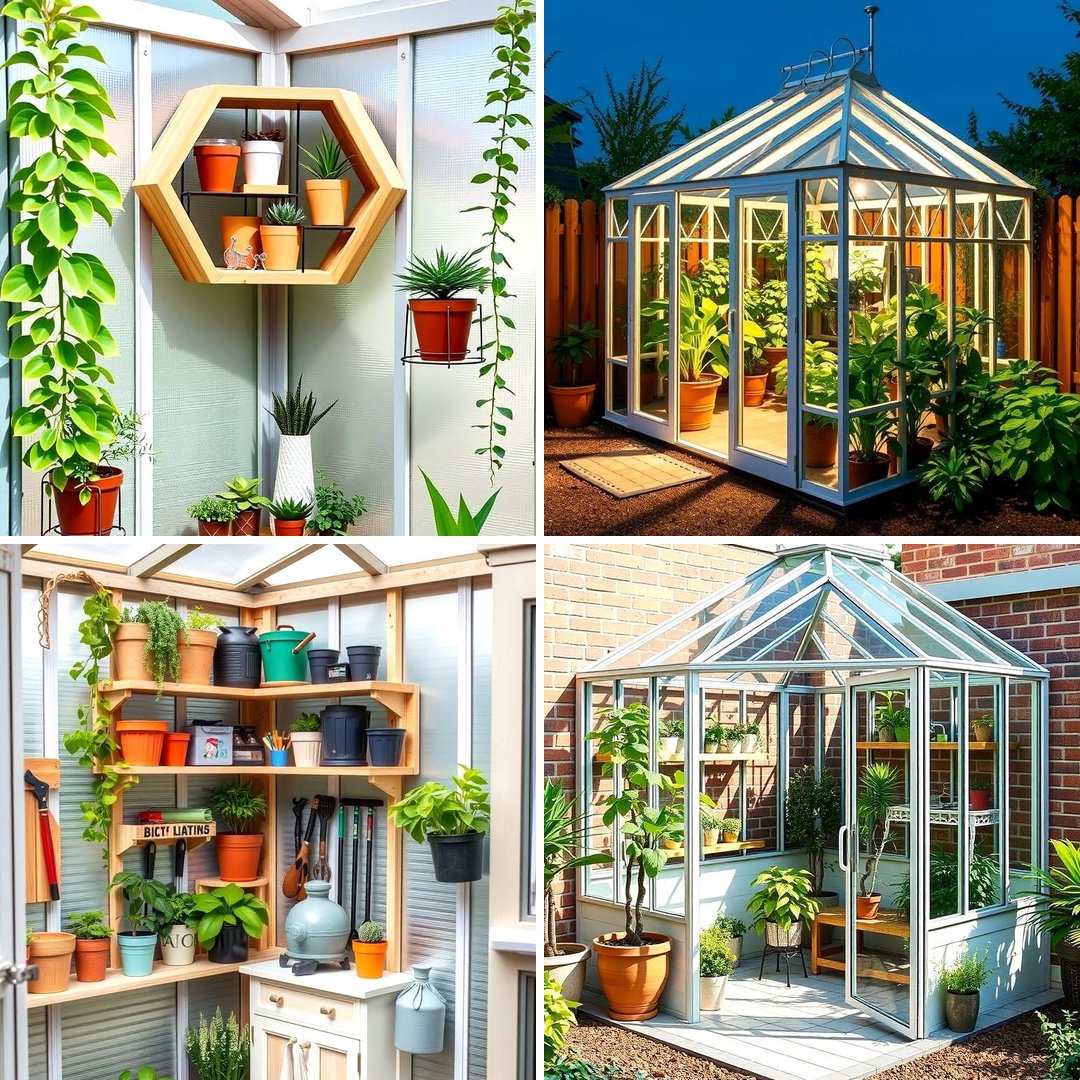
Building your own corner greenhouse can be a rewarding project. One popular DIY idea is the lean-to greenhouse, which attaches to an existing wall and uses the corner angle to create a triangular footprint. You can build a frame from wood or PVC pipes and cover it with greenhouse plastic or polycarbonate sheets. Another option is an A-frame corner greenhouse: construct two sloping sides that meet at the corner, creating a simple yet effective structure. For a more rustic look, use reclaimed windows to build a small corner conservatory. If you’re handy with tools, you can even create a geodesic dome that fits into a corner. DIY projects allow for complete customization, from size to shape, and can be much cheaper than store-bought kits. Just ensure your design is sturdy and properly anchored.
4. Corner Greenhouses with Recycled Materials
Using recycled materials not only saves money but also reduces waste. Old windows, doors, and pallets can be repurposed to build a charming corner greenhouse. For example, you can create a small lean-to by attaching salvaged windows to a wooden frame. Pallets can be disassembled and used for shelving or as the main structure. Even plastic bottles can be used to build a mini greenhouse if you have enough of them. Another idea is to repurpose an old wooden shed or playhouse by adding a transparent roof and sides in one corner. Recycling materials gives your greenhouse a unique, eclectic look and is an eco-friendly option. Just make sure the materials are sturdy enough to withstand weather conditions and provide adequate light transmission.
5. Small Corner Greenhouse Kits vs. Custom Builds
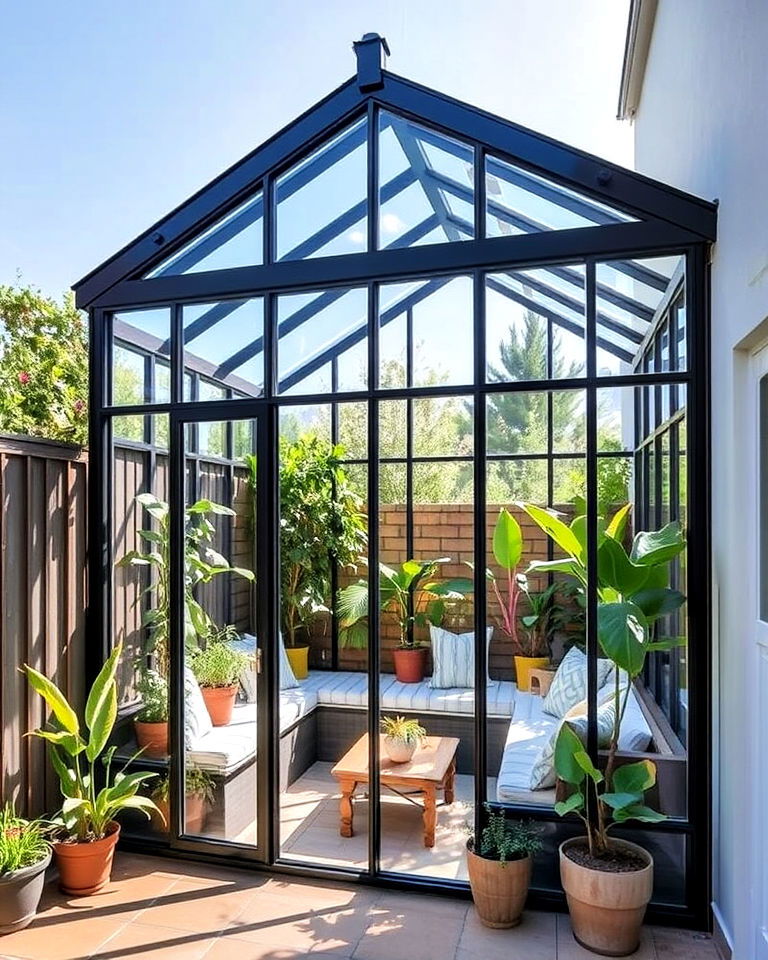
If you prefer a ready-to-assemble solution, many manufacturers offer corner greenhouse kits. These typically come with aluminum or galvanized steel frames and polycarbonate panels. Kits are convenient, often include detailed instructions, and require less planning. However, they can be more expensive and may not perfectly fit your specific corner dimensions. On the other hand, custom builds—whether DIY or professionally constructed—allow you to tailor every aspect to your space and needs. A custom build can incorporate unique features like built-in shelving, automatic vent openers, or rainwater collection systems. Consider your budget, skill level, and time when deciding between a kit and a custom build. For beginners, a small kit might be the easiest way to start, while experienced gardeners may enjoy the flexibility of a custom design.
6. Best Plants for Corner Greenhouses
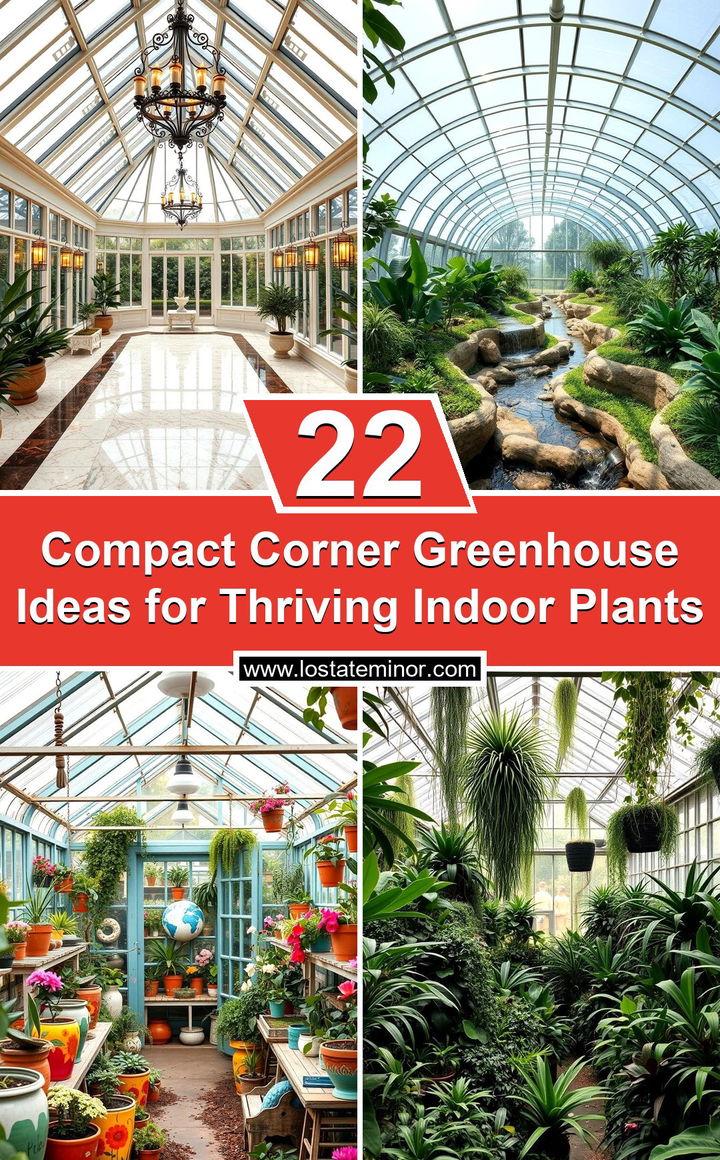
Because corner greenhouses often have limited floor space, choose plants that grow vertically or in small containers. Herbs like basil, mint, and thyme thrive in pots and add fragrance. Leafy greens such as lettuce, spinach, and kale can be grown in shallow trays or vertical planters. Tomatoes and peppers do well in cages or trellises. For flowers, consider marigolds, petunias, or succulents. You can also grow microgreens or start seedlings for your outdoor garden. The key is to maximize the space by using shelves, hanging baskets, and wall-mounted planters. Since corner greenhouses may have temperature fluctuations, select plants that are adaptable. With careful planning, you can enjoy fresh produce year-round even in a small corner greenhouse.
7. Maintenance Tips for Corner Greenhouses
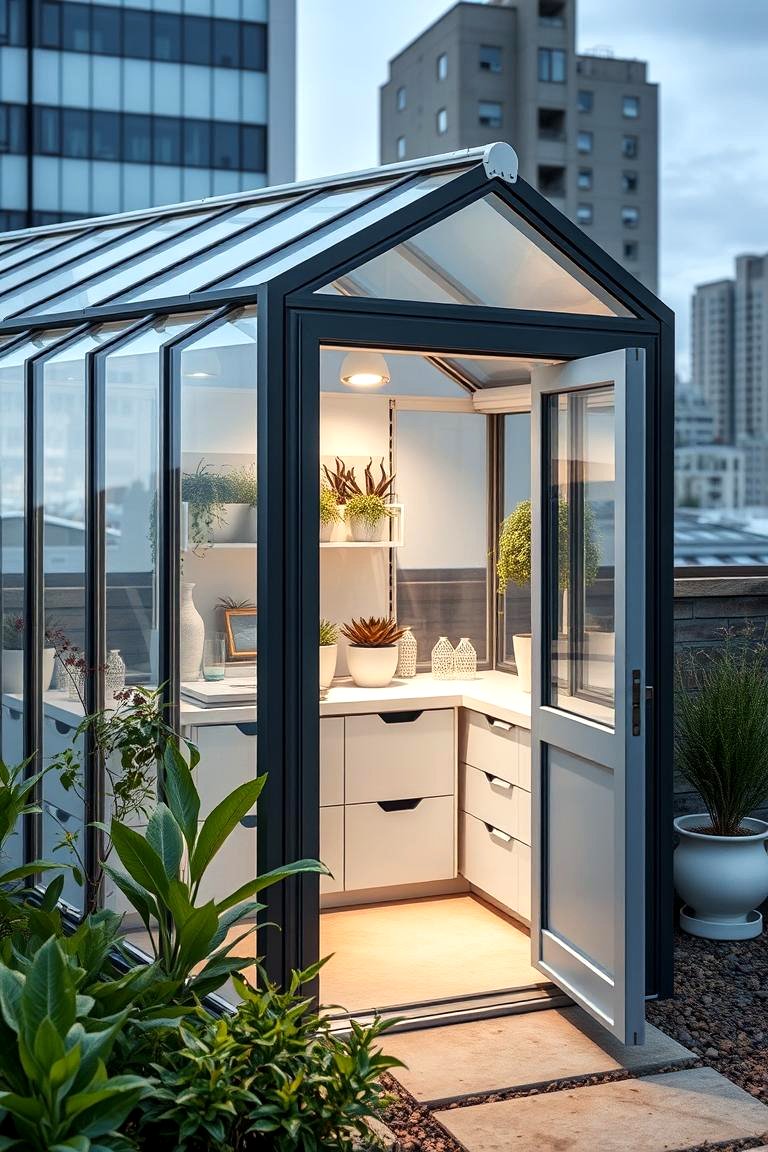
Keeping your corner greenhouse in good shape ensures plant health and longevity. Regularly clean the panels to allow maximum light penetration. Check for drafts and seal any gaps to maintain temperature. In hot weather, ensure proper ventilation by opening doors or vents; consider using a fan if necessary. In cold weather, add insulation like bubble wrap or row covers. Watering is crucial: because corner greenhouses can be damp, use a drip system or water at the base to avoid fungal diseases. Monitor for pests like aphids or mites and treat them promptly. Finally, inspect the structure for rust or rot, especially if made from wood. With routine care, your corner greenhouse will serve you for many seasons.
Frequently Asked Questions
What size should a corner greenhouse be?
The size depends on your available space and gardening goals. A typical small corner greenhouse might have a footprint of 4×4 feet or 6×6 feet. Measure your corner’s dimensions and allow for access and ventilation. Even a compact 3×3 foot greenhouse can host a surprising number of plants if you use vertical space.
How much does it cost to build a corner greenhouse?
Costs vary widely. A DIY greenhouse using recycled materials can be as low as $50-$100, while a store-bought kit might range from $200 to $1,000. Custom builds with premium materials can exceed $2,000. Factor in costs for foundation, shelving, and heating if needed.
Can I attach a corner greenhouse to my house?
Yes, lean-to corner greenhouses are commonly attached to a house wall. Ensure proper waterproofing between the greenhouse and the wall to prevent moisture damage. Also, check local building codes, as some areas require permits for attached structures.
What is the best orientation for a corner greenhouse?
A south-facing corner receives the most sunlight, making it ideal for most vegetables and flowers. East-facing corners get morning sun and are good for starting seedlings. West-facing corners have afternoon sun, which can be intense in summer. North-facing corners are best for shade-loving plants.
By thinking creatively and using the ideas above, you can turn an overlooked corner into a vibrant gardening hub. Whether you choose a DIY project, a recycled build, or a simple kit, a corner greenhouse offers an efficient and rewarding way to extend your growing season and make the most of limited space.
